CHAO PHRAYA RIVER CRUISES BANGKOK THAILAND
Best Bangkok Dinner Cruise on The Chao Phraya River
The River of King Thailand “CHAO PHRAYA RIVER“ is a major river of Thailand. It Graceful snake from the north to central region, ending in Bangkok where it enters the Gulf of Thailand. The Choaphraya River is 370 kilometers long and approximately 150e wide 15 meters deep. Traces of the early Rattanakosin period such as architecture and traditional way of life, Buddhist temples, can still the found in areas along the River, largely hidden to those who travel by land.The Chao Phraya River served as the main avenue of the city of Bangkok in the past.Therefore, all significant structures can be found on both banks of the river as places of worship under constant repairs and residences of royals and noblemen and head offices of Western companies that were frontrunners in trade. Thai River Cruise on the Chao Phraya river thus gives on an insight n the past of Bangkok, apart from an enjoy able stroll on the river itself.Welcome aboard to Thai River Cruise, Enjoy to Bangkok river cruise trip along Chaophraya river Bangkok Thailand. Come and enjoy to Bangkok dinner cruise on the Chao phraya river every night.
Bangkok Dinner Cruise offers a delightful blend of scenic beauty, cultural experiences, and delectable cuisine, making it an unforgettable evening on the Chao Phraya River. As the sun sets over the glittering cityscape, guests are treated to panoramic views of iconic landmarks such as Wat Arun and the Grand Palace. The cruise itself is a floating luxury vessel adorned with elegant décor and impeccable service, creating an ambiance of sophistication and relaxation. Indulge in a sumptuous buffet dinner featuring an array of Thai delicacies and international dishes prepared by top-notch chefs. Live entertainment adds an extra touch of charm to the experience, with traditional Thai performances showcasing vibrant music and dance. Whether you're looking for a romantic evening or simply want to unwind after exploring Bangkok's bustling streets, this dinner cruise promises enchanting moments that will forever be etched in your memory.
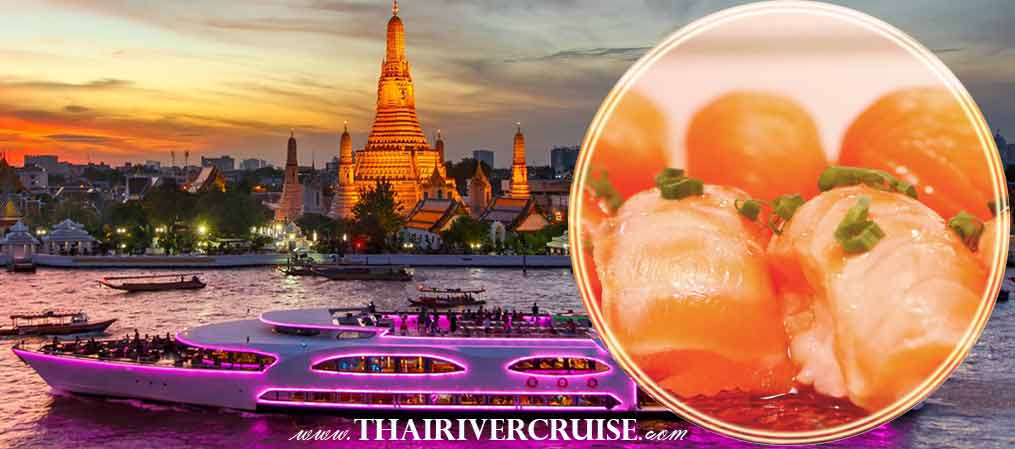
Wonderful Pearl Cruise Bangkok Dinner Cruise
Welcome to Large elegance luxury 5-star dinner cruise in Bangkok. Set sail alongside the Chao Phraya River on a luxurious cruise deliver and byskip illuminated landmarks inclusive of Wat Arun and the Grand Palace. Enjoy a scrumptious buffet dinner with a combination of Thai, Western, and Japanese food; and experience stay music, dancing, and entertainment.❤ Dinner Cruising Time : 19.30 – 21.30 pm.
- Adult : 2100.-
฿ Child : 1900.฿ Promotion!!
Included : • International buffet & Seafood • Live Music • Thai Dance
Pier : RIVER CITY
Pier : RIVER CITY
Read More
The Opulence Cruise
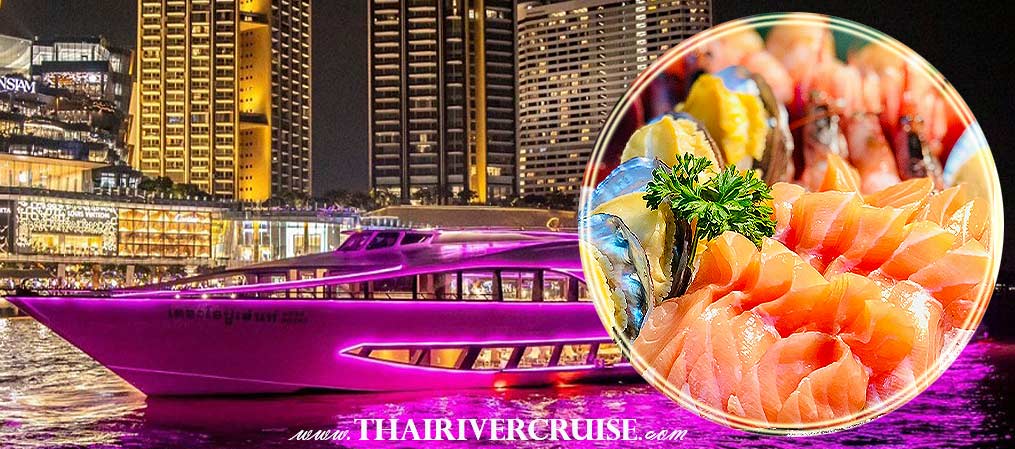
Newest river dinner Bangkok 2023 The Opulence Cruise large luxury cruise Bangkok from Iconsiam.. Decorated in a beautiful modern style. with convenience And the highest security system on the 1st and 2nd floors is a cool air conditioning system, with the 2nd floor having an outside area.The bow is open and the 3rd floor is an open deck with 360 degrees. The Opulence Cruise Can accommodate 710 passengers.Let you get the wind and see the scenery of both sides of the Chao Phraya River at night that are spectacularly. beautiful.❤ Dinner Cruising Time : 20.00 – 22.15 pm.
- Adult : 1800.-
฿Child : 1200.-฿Promotion!!
Included : • International buffet & Seafood • Live Music • Traditional show
Pier : ICONSIAM
Pier : ICONSIAM
Read More
Royal Galaxy Cruise
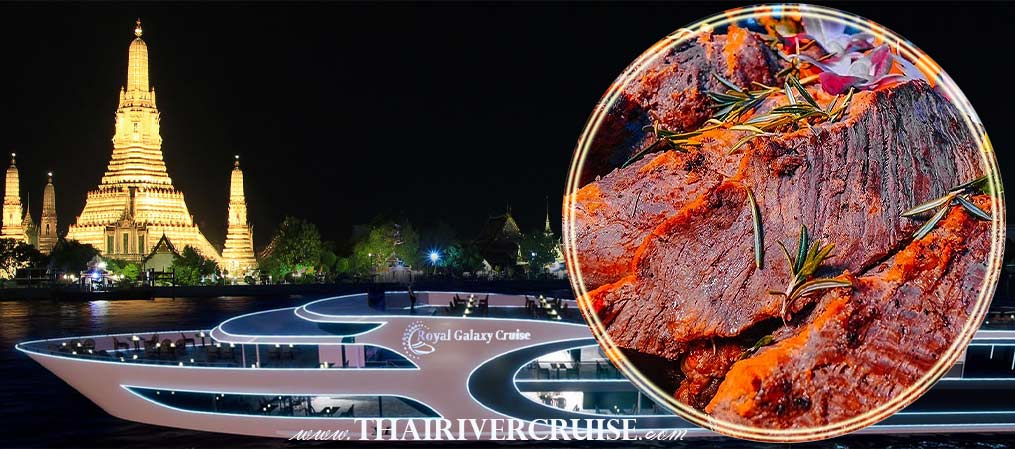
❤ Dinner Cruising Time : 20.00 – 22.00 pm.
- Adult : 1800.-
฿Child : 1200.-฿Promotion!!
Included : • International buffet & Seafood • Live Music • Thai Dance
Pier : ASIATIQUE The Riverfront
Pier : ASIATIQUE The Riverfront
Read More
Grand Pearl Cruise River Dinner Cruise
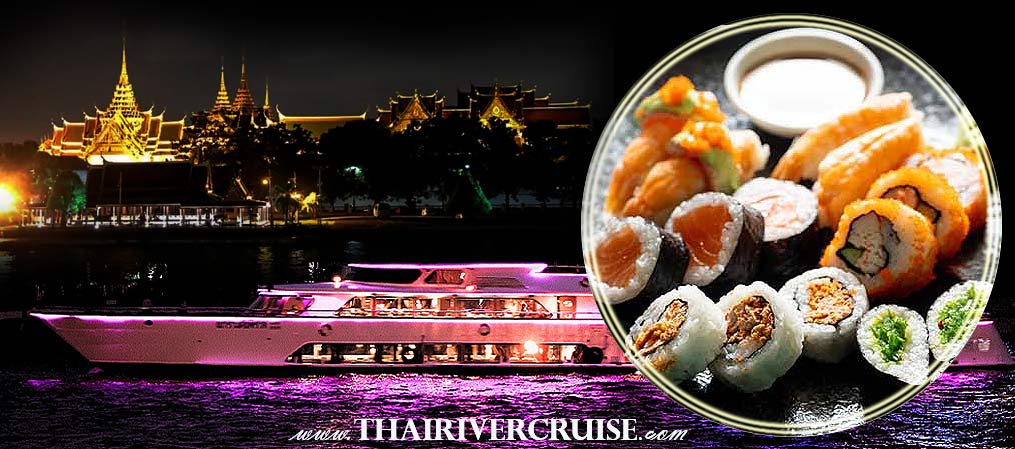
The luxury dinner cruise on the Chaophraya river Bangkok. Grand Pearl Cruise on a luxurious cruise deliver and byskip illuminated landmarks the beautiful night-lit scenery on both side of the Chao Phraya River. Our captain will pilot the boat up- river. We will ensure the opportunity for you to take snapshot of the two most magnificent night views of Bangkok. Enjoy delicious buffet dining onboard with entertainment by Thai dance and live band music❤ Dinner Cruising Time : 19.30 – 21.30 pm.
- Adult : 1700.-
฿ Child : 1300.฿Promotion!!
Iincluded : • International buffet & Seafood • Live Music • Thai Dance
Pier : RIVER CITY
Pier : RIVER CITY
Read More
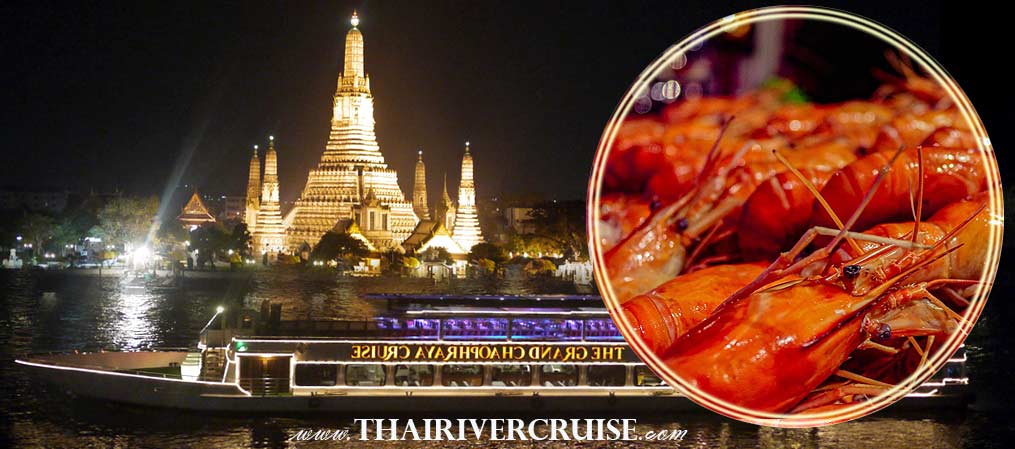
Chaophraya Cruise Luxury Dinner Cruise
Chaophraya Cruise Bangkok, the luxury Chaophraya Cruise 5 Star river cruise on Chaophraya river Bangkok. Welcome aboard Chaophraya Cruise on the Chaophraya River, the amazing experience where you will be dazzled in Thai exquisite architecture, absorbed with Thai cultural and history from the past to present standing elegant just before the river. Let The Chaophraya Cruise be the one for your Memorable Cruise Bangkok.❤ Dinner Cruising Time : 19.15 – 21.15 pm.
- Adult : 1300.-
฿ Child : 800.฿Promotion!!
Included : • International buffet & Seafood • Live Music • Thai Dance
Pier : ASIATIQUE The Riverfront
Pier : ASIATIQUE The Riverfront
Read More
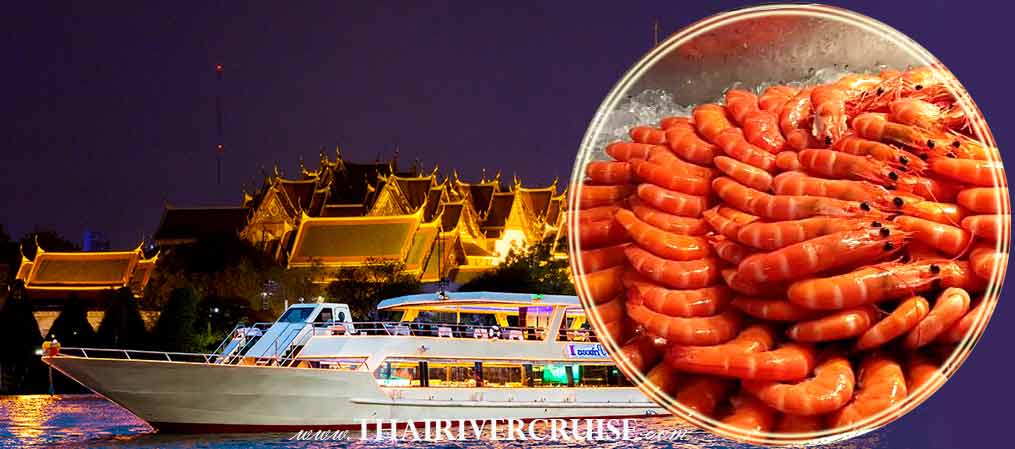
Chao Phraya Princess Bangkok River Cruise
Welcome onboard Chao Phraya Princess, enjoy on luxury cruise with long two-hour journey on the extravagant Chao Phraya Princess. Great experience a sensation of luxury and romance candle light dinner throughout the beautiful night of Bangkok. Eperience magnificent views of Bangkok’s illuminations from the cruise❤ Dinner Cruising Time : 19.30 – 21.30 pm.
- Adult : 1300.- ฿ Child : 800.- ฿ Promotion!!
Included : • International buffet & Seafood • Live Music • Cruise Trip
Pier : ICONSIAM
Pier : ICONSIAM
Read More
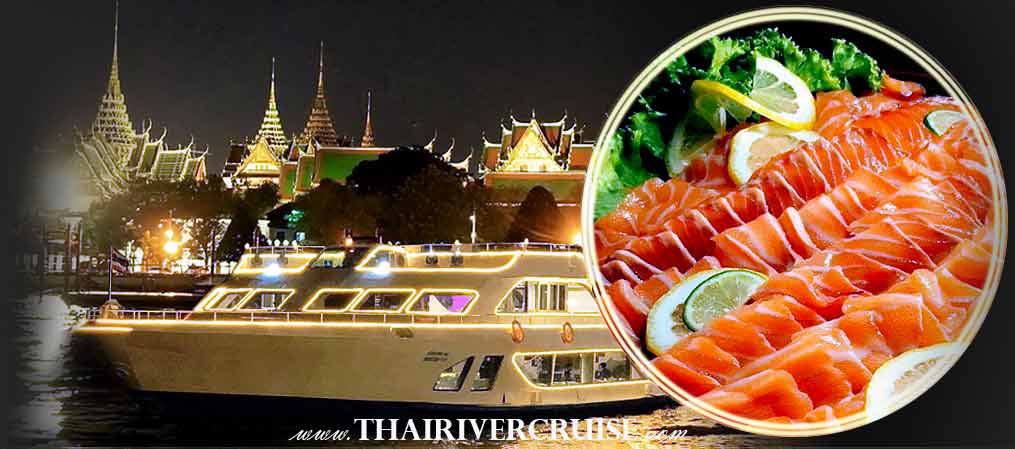
Alangka Cruise Bangkok Dinner Cruise
Welcome onboard Alangka Cruise, luxury dinner cruise on the Chao phraya river, enjoy with delicious with many kind of Thai-international buffet & seafood onboard. Alangka Cruise will bring you along the Chao Phraya river. You will enjoy to see breathtaking views with bothside of the Chaophraya river.The cruise start and end at the famous ICONSIAM shopping center.
❤ Dinner Cruising Time : 19.30 – 21.30 pm.
- Adult : 1300.- ฿ Child : 800.- ฿ Promotion!!
Included : • International buffet & Seafood • Live Music • Cruise Trip
Pier : ICONSIAM
Pier : ICONSIAM
Read More
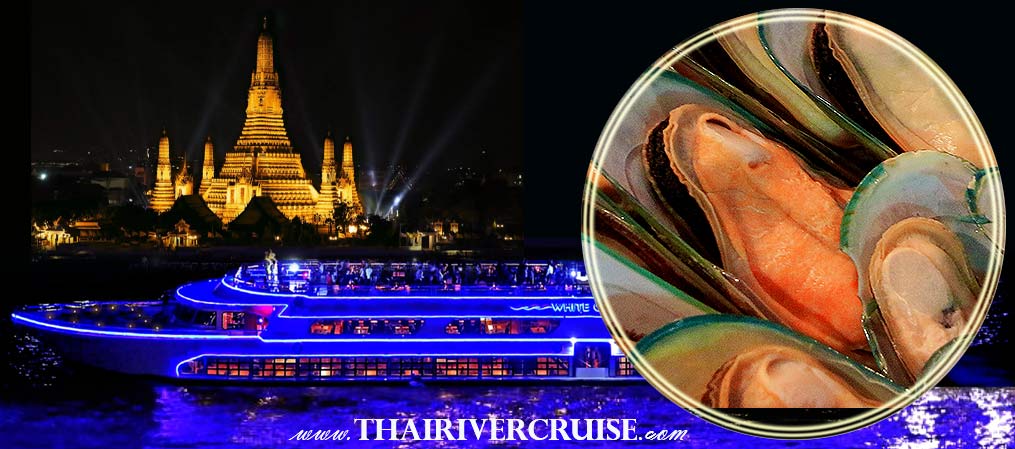
White Orchid River Cruise Bangkok Dinner Cruise
White Orchid River Cruise buffet dinner + Draught beer unlimited drink. The cruise will take you for see the beautiful scenery of the Chao Phraya river by night with great amazing historical sights of the river. then enjoy your evening dinning with a variety of food and entertainment by Live music, Thai dance and lady boy cabaret show onboard ❤ Dinner Cruising Time : 19.15 – 21.15 pm.- Adult : 1300.- ฿ Child : 800.- ฿Promotion!!
Included : • International buffet & Seafood • Live Music • Thai Dance
Pier : ASIATIQUE The Riverfront
Pier : ASIATIQUE The Riverfront
Read More
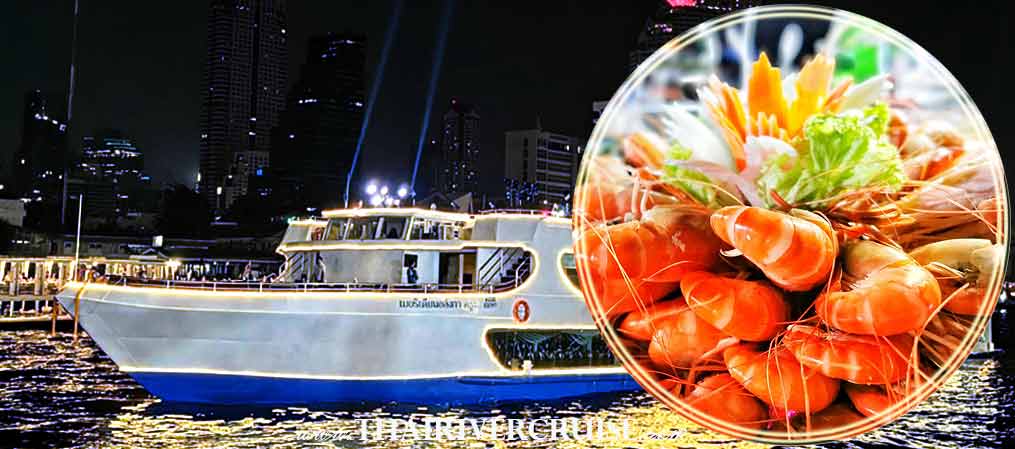
Viva Alangka Cruise Bangkok Dinner Cruise
Welcome onboard Viva Alangka Cruise, enjoy on luxury cruise with long two-hour journey on the extravagant Chao Phraya Princess. Great experience a sensation of luxury and romance canldle light dinner throughout the beautiful night of Bangkok.Eperience magnificent views of Bangkok’s illuminations from the cruise❤ Dinner Cruising Time : 19.45 – 21.45 pm.
- Adult : 1300.- ฿ Child : 800.- ฿Promotion!!
Included : • International buffet & Seafood • Live Music • Cruise Trip
Pier : ASIATIQUE The Riverfront
Pier : ASIATIQUE The Riverfront
Read More
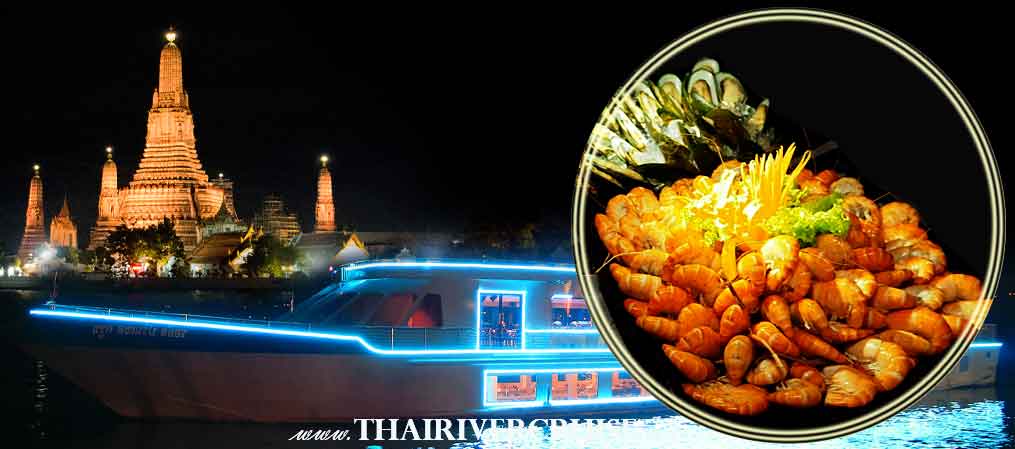
Royal Princess Cruise Bangkok Dinner Cruise
Royal Princess Cruise at ASIATIQUE The Riverfront. Enjoy your awesome time having pleasant dinner with extensive choice of Thai, Japanese, Western and International meals on Royal Princess Cruise which gives you to get away from crowded vicinity from the metropolis middle of Bangkok and experience the splendor of Chao Phraya River at night❤ Dinner Cruising Time : 19.30 – 21.30 pm.
- Adult : 1300.-
฿Child : 1000.-฿Promotion!!
Included : • International buffet & Seafood • Live Music • Thai Dance
Pier : ASIATIQUE The Riverfront
Pier : ASIATIQUE The Riverfront
Read More
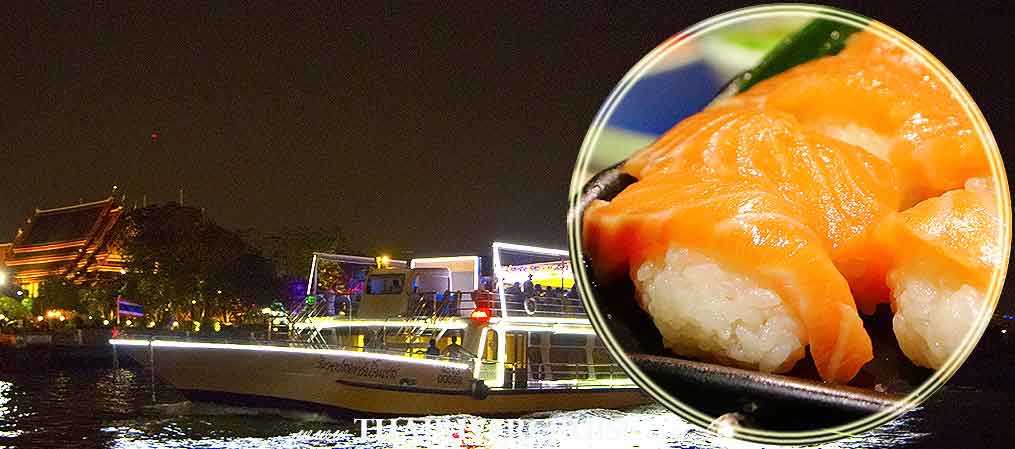
River Star Princess Cruise Bangkok Dinner Cruise
River Star Princess Cruise at River city pier Sriphraya Bangkok. Enjoy to romantic memorable dinner cruise along the Chao Phraya River by River Star Princess. Feel romance in a two-hour journey with as delicious Thai -International & Seafood, entertainment by Thai dance and Live band music❤ Dinner Cruising Time : 19.45 – 21.45 pm.
- Adult : 1300.-
฿Child : 800.-฿Promotion!!
Included : • International buffet & Seafood • Live Music • Thai Dance
Pier : River City
Pier : River City
Read More
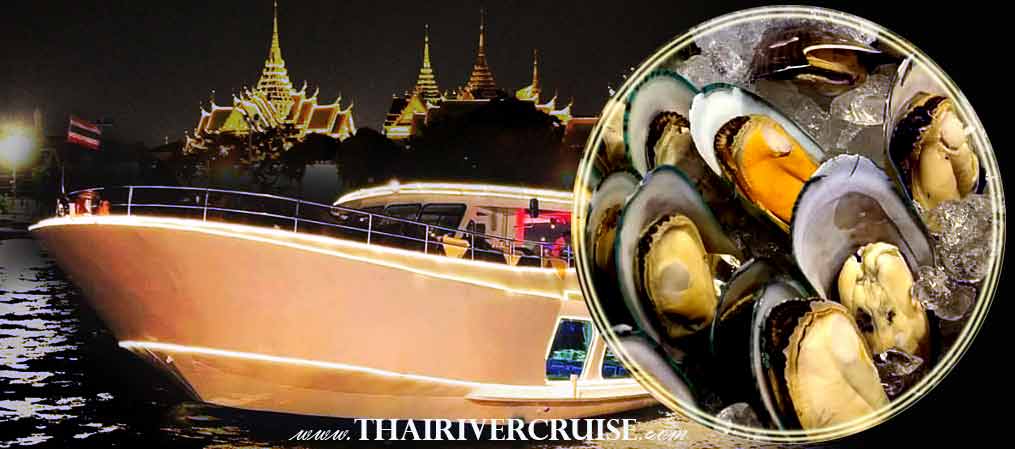
Meridian Cruise Bangkok Dinner Cruise
Welcome onboard Meridian Cruise,welcome you to absorb the feeling and the happiness with large luxury designed cruise. Enjoy with super delicious dinner as beautiful scenery of the Chao Phraya River, the history river of Thailand. Entertainment performance by live band singer and the Thai classical show onboard.❤ Dinner Cruising Time : 20.00 – 22.00 pm.
- Adult : 1100.- ฿ Child : 700.- ฿Promotion!!
Included : • International buffet & Seafood • Live Music • Thai Dance
Pier : ICONSIAM
Pier : ICONSIAM
Read More
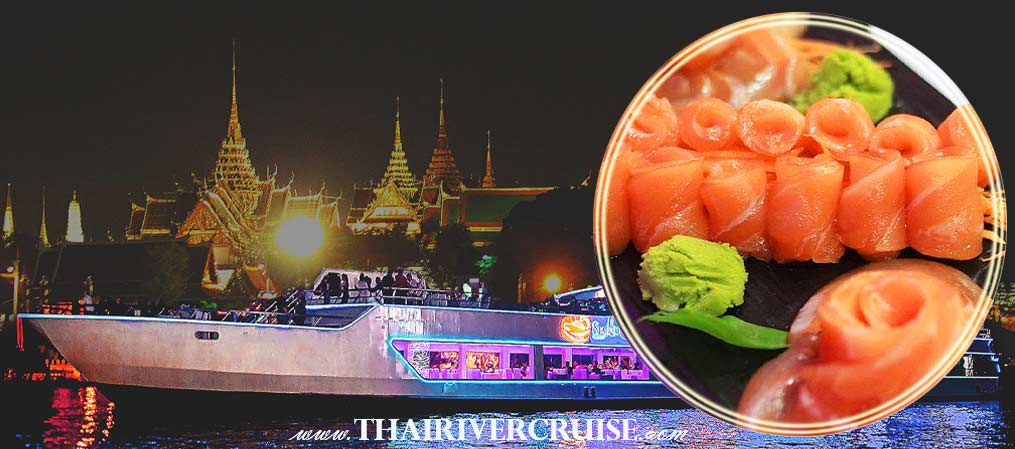
Smile Riverside Bangkok Dinner Cruise
Smile Riverside Bangkok dinner cruise from Iconsiam. The Smile Riverside will take you on a journey through the enchanting Chao Phraya River, where you can indulge in a sumptuous meal while enjoying breathtaking views of the city's iconic landmarks. From the comfort of a luxurious cruise ship, you can savor delectable cuisine, soak in the vibrant atmosphere, and create unforgettable memories. Join us as we explore the highlights of a Bangkok dinner cruise and discover why it is a must-do experience for any traveler visiting the city.❤ Dinner Cruising Time : 19.30 – 21.30 pm.
- Adult : 999.-
฿Child : 700.-฿Promotion!!
Included : • International buffet & Seafood • Live Music • Thai Dance
Pier : ICONSIAM
Pier : ICONSIAM
Read More
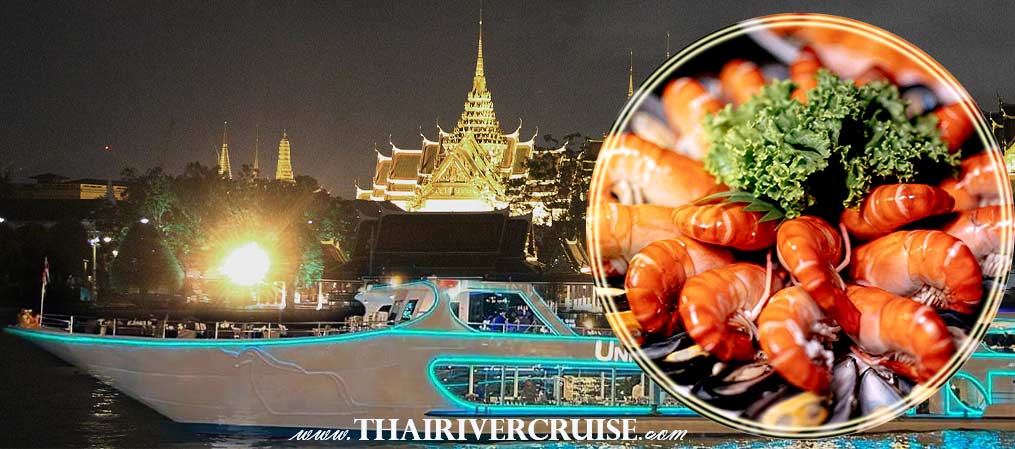
Unicorn Cruise Bangkok Dinner Cruise
Unicorn Cruise Bangkok dinner cruise from Iconsiam.Experience the city's rich culture and history. As you cruise along the Chao Phraya River, you will get to see some of the city's most iconic landmarks, enjoy a delicious meal, and be entertained by live performances. Whether you are a foodie, a history buff, or just looking for a unique experience, a dinner cruise in Bangkok is something you should not miss.❤ Dinner Cruising Time : 19.15 – 21.15 pm.
- Adult : 999.-
฿Child : 700.-฿Promotion!!
Included : • International buffet & Seafood • Live Music • Thai Dance
Pier : ICONSIAM
Pier : ICONSIAM
Read More
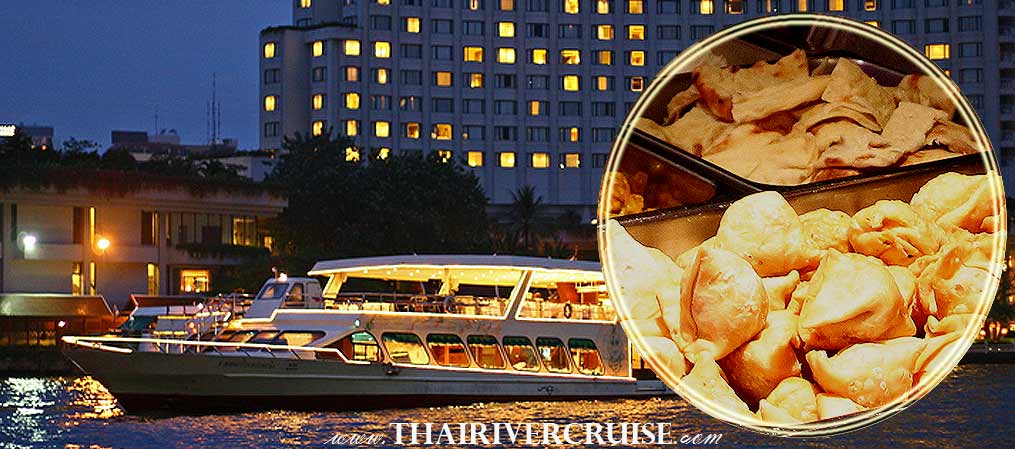
Indian Dinner Cruise by Chao Phraya Princess
Indian Dinner Cruise Bangkok by Chao Phraya Princess.The atmosphere is comfortable and romantic with a saxophone solo off from the pier and passes a number of remarkable landmarks, such as the river Bangkok attraction, Temple of Dawn, the Temple of Emerald Buddha, Bang Khunprom Palace, Kanlayanamitr Temple, Krungthon Bridge, and the Oriental Hotel and five-star river hotel. You will be fascinated with all the adorning lights all the way until our cruise terminates at ICONSIAM. International + Indian + Vegetarian such as; Vegettarian Indian Paneer Masala, Paneer Masala,Dal Tarka,Bobi Matter,Samosa,Raiya,Yellow Rice.❤ Dinner Cruising Time : 19.45 – 21.45 pm.
- Adult : 1200.-
฿Child : 900.-฿Promotion!!
Included : • International buffet & Indian buffet menu vetgetarian • Live Music
Pier : ICONSIAM
Pier : ICONSIAM
Read More
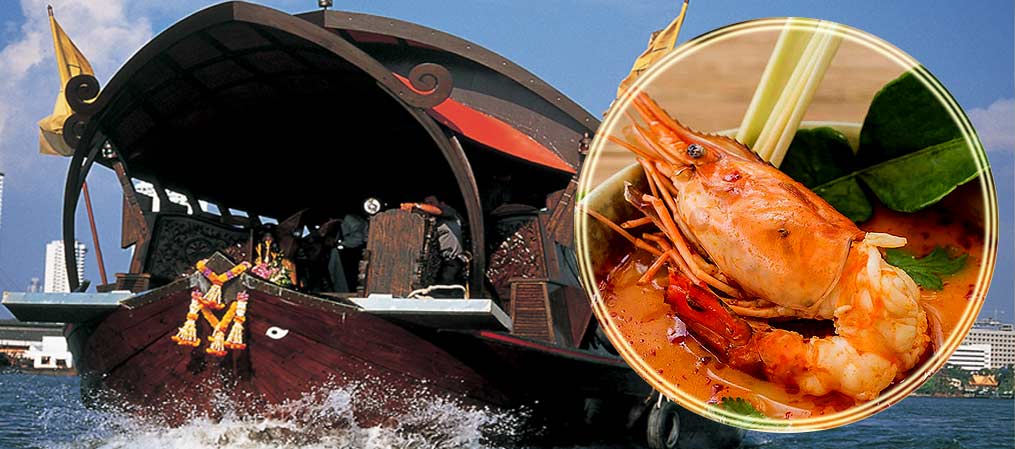
MANOHRA CRUISE Luxury Ricebarge Dinner
Dining Experience world-famous onboard Manohra luxury traditional ricebarge 5-star, enjoy to Thai cuisine on your cruise, with traditional recipes interpreted with modern flair by Bangkok’s leading chefs. Enjoyed the dinner cruise. The food, drinks and all around atmosphere were perfect. Manohra Cruise down the River of Kings, Bangkok’s ancient lifeline, taking in the city’s most iconic sights as you enjoy traditional Thai cuisine❤ Dinner Cruising Time : 19.00 – 22.00 pm.
- Adult : 2950.-
฿ Promotion!!
Included : • International buffet & Seafood • Live Music • Thai Dance
Pier : ANANTARA RIVERSIDE BANGKOK
Pier : ANANTARA RIVERSIDE BANGKOK
Read More
BANGKOK SUNSET DINNER CRUISE
-
White Orchid Twilight Cruise
Twilight Cruise Bangkok Chao Phraya River, White Orchid River Cruise Twilight Cruise Bangkok Sunset Dinner along the River of King. This Twilight Cruise Bangkok only chance to see the beautiful Bangkok skyline at dusk, enjoy a leisurely 2 hours cruising along the Chao phraya river Bangkok. Enjoy to see the city ‘s highlighting skyline beautiful city town such as Icon Siam, River 5-star hotel, Temple of Dawn or Wat Arun, Grand Palace The emerald Buddha temple. The Twilight Cruise Bangkok is the perfect evening for an experience to remember.Promotion Now 1200฿ 950฿
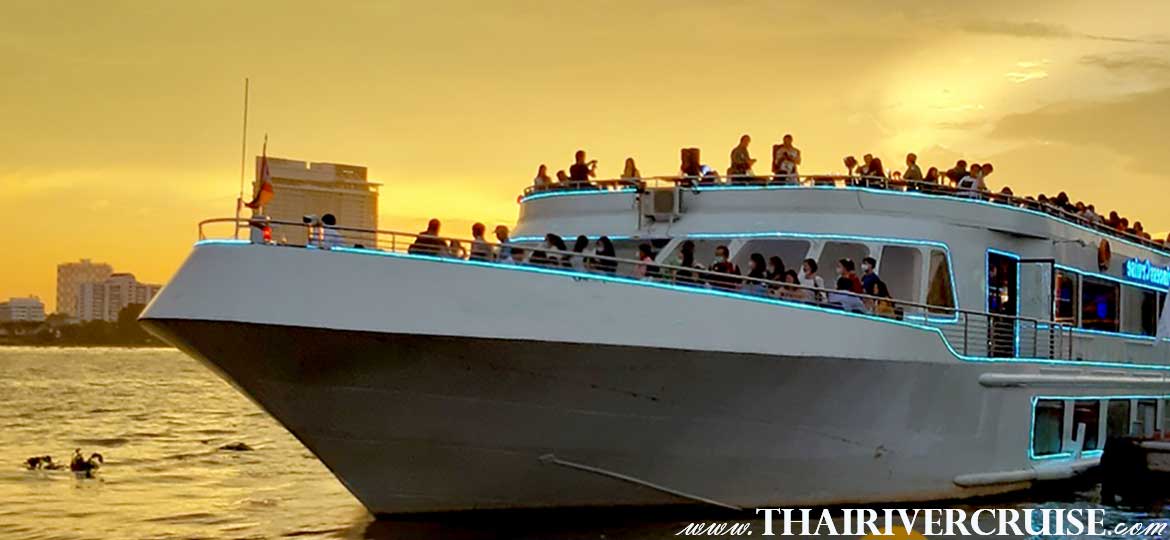
-
ROYAL Princess SUNSET cruise
Sunset Royal Princess Cruise, Welcome aboard sunset dinner Bangkok, the magnificent cruise journey one of the best excursion by the Chao phraya river which you can absorb and feel the very Ancient Thai History which still alive, feel the Bangkokian riverside lifestyle and very fabulous landmark along the riverside such as King Rama I Bridge, Wat Kalayanamitre (Big Buddha Temple), Wat Arun (The Temple of Dawn), Grand Palace and King Palace, and IconSaim, Promotion Now 1200฿ 950฿
-
meridian sUNSET cruise
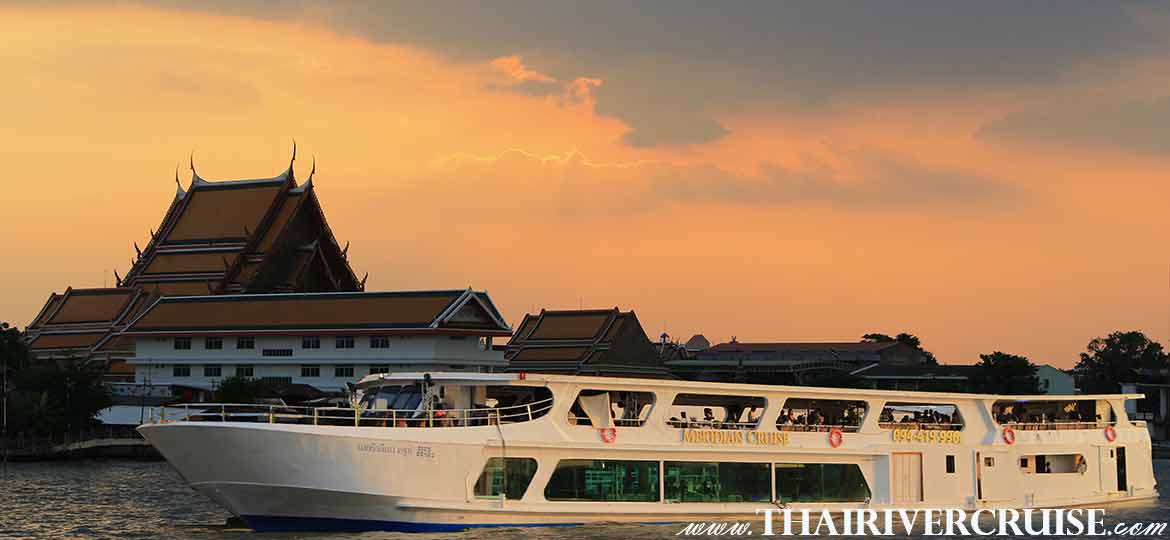
Meridian Cruise, Welcome aboard Meridian Cruise, the magnificent cruise journey one of the best excursion by the Chao phraya river which you can absorb and feel the very Ancient Thai History which still alive, feel the Bangkokian riverside lifestyle and very fabulous landmark along the riverside such as King Rama I Bridge, Wat Kalayanamitre (Big Buddha Temple), Wat Arun (The Temple of Dawn), Grand Palace and King Palace, and IconSaim, Promotion Now 1100฿ 850฿ Operate only Sat,Sun day
CANAL TOURS BANGKOK
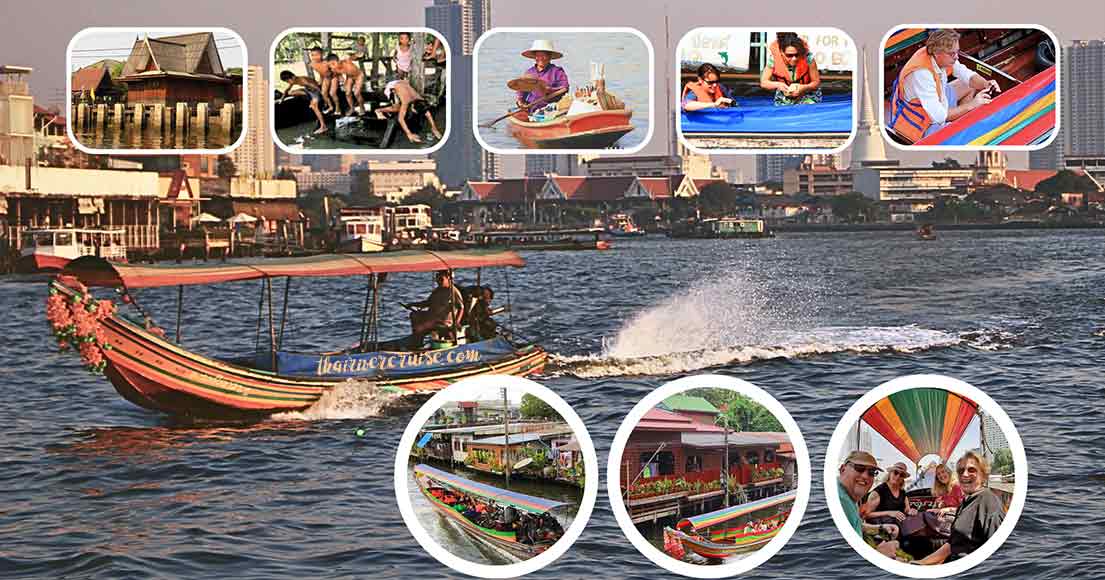
Longtails Boat Canal Tour
Exploring The Iconic canals of Bangkok by Private longtail boat canal tour. Embark on an enchanting journey through the Chaophraya river into the labyrinthine canals of Bangkok aboard a traditional longtail boat. As you glide along the serene waters, soak in the captivating sights and sounds of this vibrant city. The longtail boat, known for its iconic extended tailshaft, allows you to venture into areas inaccessible by larger vessels. Discover hidden pockets of local life as you pass by floating markets, stilted houses, and lush greenery lining the canals. Immerse yourself in the rich cultural tapestry as friendly locals greet you with warm smiles and vendors offer delectable street food from their boats. This unique experience offers an authentic glimpse into Bangkok's charming past and vibrant present.Read More
LUNCH CRUISE BANGKOK
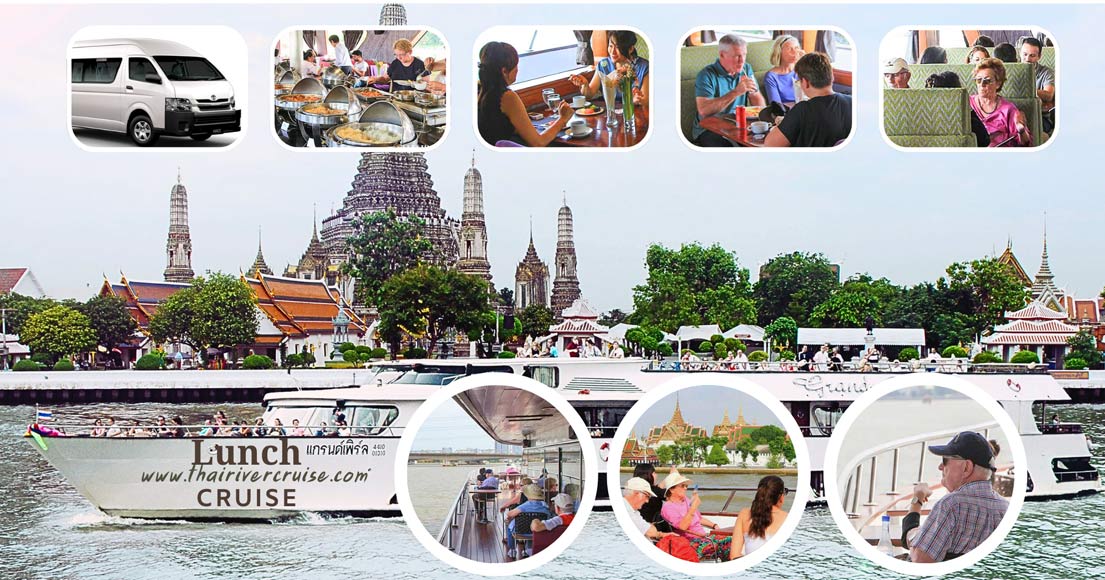
River Cruise with Lunch Bangkok
Bangkok lunch cruise Chaphraya river. Experice explorer Chaophraya river from Nonthaburi province to Bangkok.Leave from Bangkok before Afternoon for Bangkok Chaophraya River Explorer Cruise with with International buffet lunch & coffee break, the cruise will cruising from Nonthaburi province to Bangkok. River cruise experience with touch of lifestyle living alng the Chaophraya River Bangkok Thailand. Enjoy to a world on the river full of history, river sights and sound with experience a journey on the water of Thailand “ Chaophraya River “ River of Kings , embark from Nonthaburi Province to metropolitan Bangkok with lunch and coffee break onboard. The cruise passing Kohkred small island located in the middle of the Chao Phraya River, Rama8 bridge, Wat Rakang, Grand Palace, Temple of dawn, Bangkok city river view bothside of Chaophraya river.Duration : 11.00 am. – 15.45-16.00 pm.
- Adult : 1950.-
฿ Child : 1700.฿
Included : • Sight seeing tour as program • Admission fee Thai & International buffet lunch • Coffee break or tea • Cruise trip
Excluded : Transfer (optional)
Pier : River City Pier
Excluded : Transfer (optional)
Pier : River City Pier
Read More
AYUTTHAYA CRUISE BANGKOK
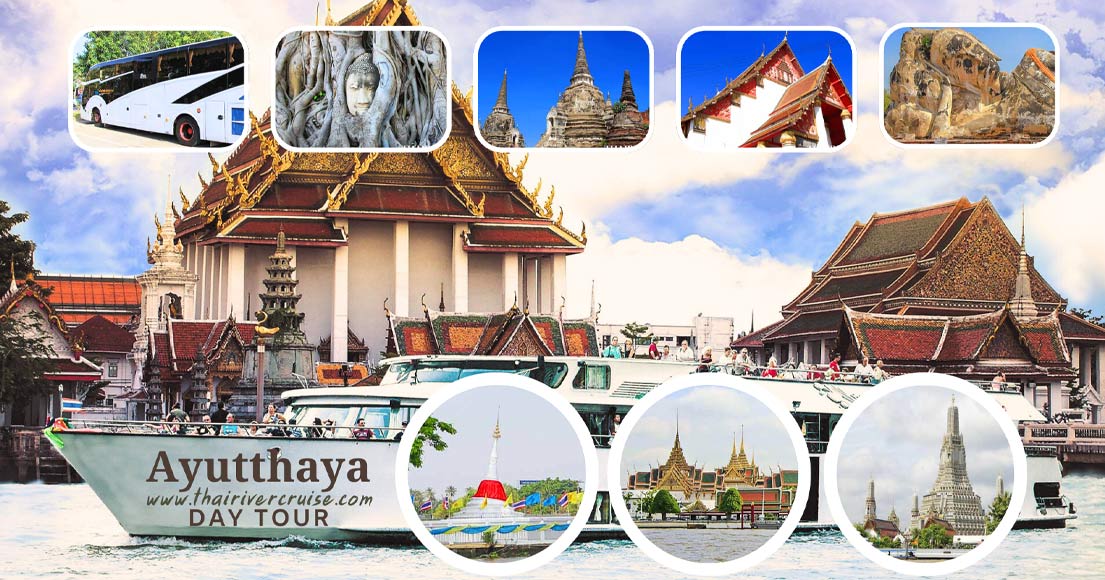
Ayuttahaya Day Tour
Ayutthaya Trip by Cruise from Bangkok to Ayutthaya by Grand Pearl Cruise Ayutthaya. A full day of Ayutthaya tour river cruise Bangkok, Travel by Coach and returning by Boat with international buffet lunch and coffee break onboard. Visit the highlights of Ayutthaya,Summer Palace, Wat Yai Chai Mong Kol and Wat Phrasri Sanphet. And then our guide will bring you to Grand Pearl Cruise Pier. Enjoy with Buffet Lunch onboard and Cruising along Chaophraya River to Bangkok. Witness the sensational view of the Chaopraya River, Bangkok, Thailand. Where’re the great Temple of Dawn, Grand Palace and Rama 8 Bridge are nested: We discern the beauty and rich with expressions of Thai life and tradition.Duration : 06.30 am. – 15.45-16.00 pm.
- Adult : 2700.-
฿ Child : 2200.฿
Included : • Sight seeing tour as program • Admission fee Thai & International buffet lunch • Coffee break or tea • Grand Pearl Cruise trip • English speaking guide • Transfer from hotel in Bangkok (vice versa)
Pier : River City Pier
Pier : River City Pier
Read More
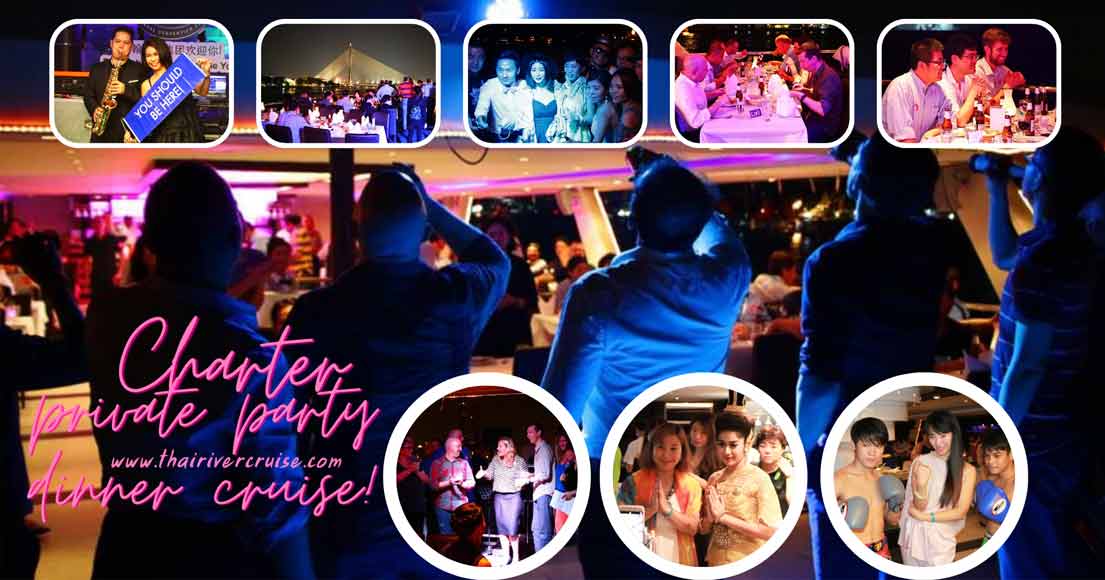
Charter Private Boat Bangkok
Charter Private Cruises in Bangkok Thailand. Party private cruise on Chaophraya river cruises Bangkok, If you are looking for Chaophraya River cruise for on your special party event with Thai River Cruises on Chaophrya river Bangkok. Whether it is a anniversary onboard; staffs party, business meeting on cruise, retirement party to your quests, birthday party, corporate event, etc. We can plan and design to your party any an anniversary onboard Chao phraya river cruises Bangkok Thailand. Charter cruise available for- Private party dinner cruise
- Private gala dinner cruise
- Private corporate event dinner cruise
- Private celebration Dinner Cruise
- Private wedding dinner cruise
- Private birthday parties cruise
- Private seminars meeting on river cruise
- Private cocktail cruise
- Private transfer cruise
- Private cruise without dinner

 line ID :